Last Updated on August 7, 2026 by Tanya
It’s a question that catches a lot of people off guard: “Wait, honey isn’t vegan?” And it makes sense why — honey doesn’t feel like it belongs in the same category as meat or dairy. It starts with nectar, gathered from flowers, which makes it easy to assume it’s basically a plant product. But that’s only half the story. Once a bee collects that nectar, it transforms it inside its own body into something entirely different — honey, made by bees, for bees. So here’s the honest answer, and why it matters.
The Short Answer
No — honey is not considered vegan. Bees are animals, and honey is something they produce for their own survival, not for ours. Most vegan organisations, including The Vegan Society, classify honey as an animal product because its production typically involves an element of exploitation.
So Why Isn’t Honey Vegan?
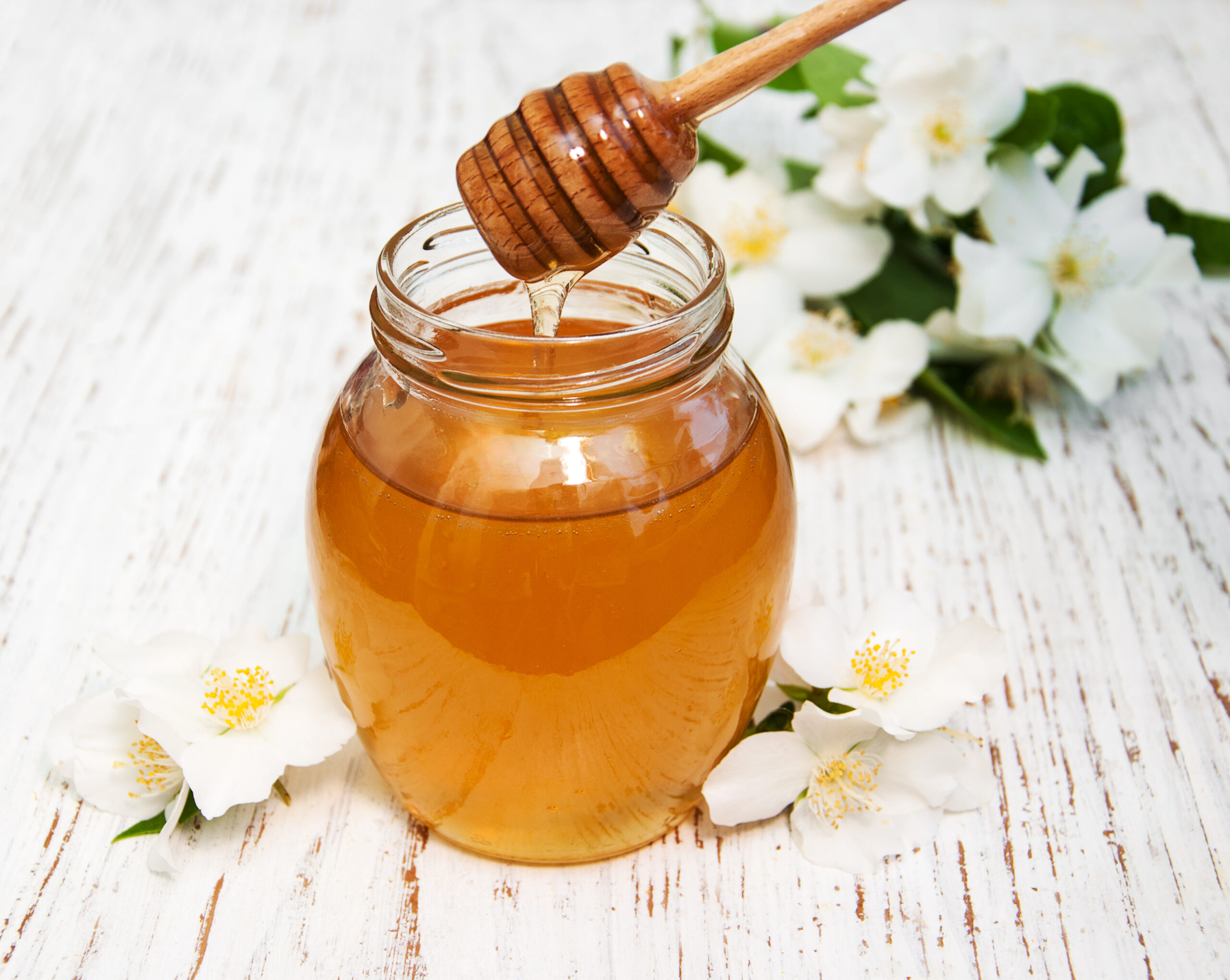
Here’s the part that surprised me most when I first looked into it: bees don’t make honey for us. Honey is the bees’ energy source — without it, they would starve. It provides essential nutrients, especially during the winter months when there’s little else for them to eat. A single bee produces only about a twelfth of a teaspoon of honey in its entire lifetime — so what looks like a small jar on a supermarket shelf represents the life’s work of an enormous number of bees.
When beekeepers harvest honey, they’re taking the bees’ own food supply. In commercial beekeeping, the honey that’s removed is typically replaced with a sugar substitute, which lacks the essential micronutrients of real honey — meaning the bees’ nutrition is being downgraded so we can have the good stuff.
There are a few other practices in commercial beekeeping worth knowing about too:
- Queen replacement: queens often have their wings clipped to prevent them leaving the hive to start a new colony elsewhere, and queens are frequently replaced to maximise productivity.
- Selective breeding: bees are specifically bred to increase honey yields, which narrows the genetic pool and increases susceptibility to disease and large-scale die-offs.
- Impact on wild bees: this is the one people are often most surprised by. Mass commercial breeding of honeybees affects populations of other native, wild pollinators, who end up competing for the same limited flowers — meaning beekeeping for honey can actually work against the wild bee populations many of us assume we’re helping.
“But Doesn’t Buying Honey Help Save the Bees?”
This is probably the most common pushback I hear, and it’s a really understandable assumption — bee populations are declining, so surely supporting beekeeping helps? Unfortunately, it’s a bit more complicated than that.
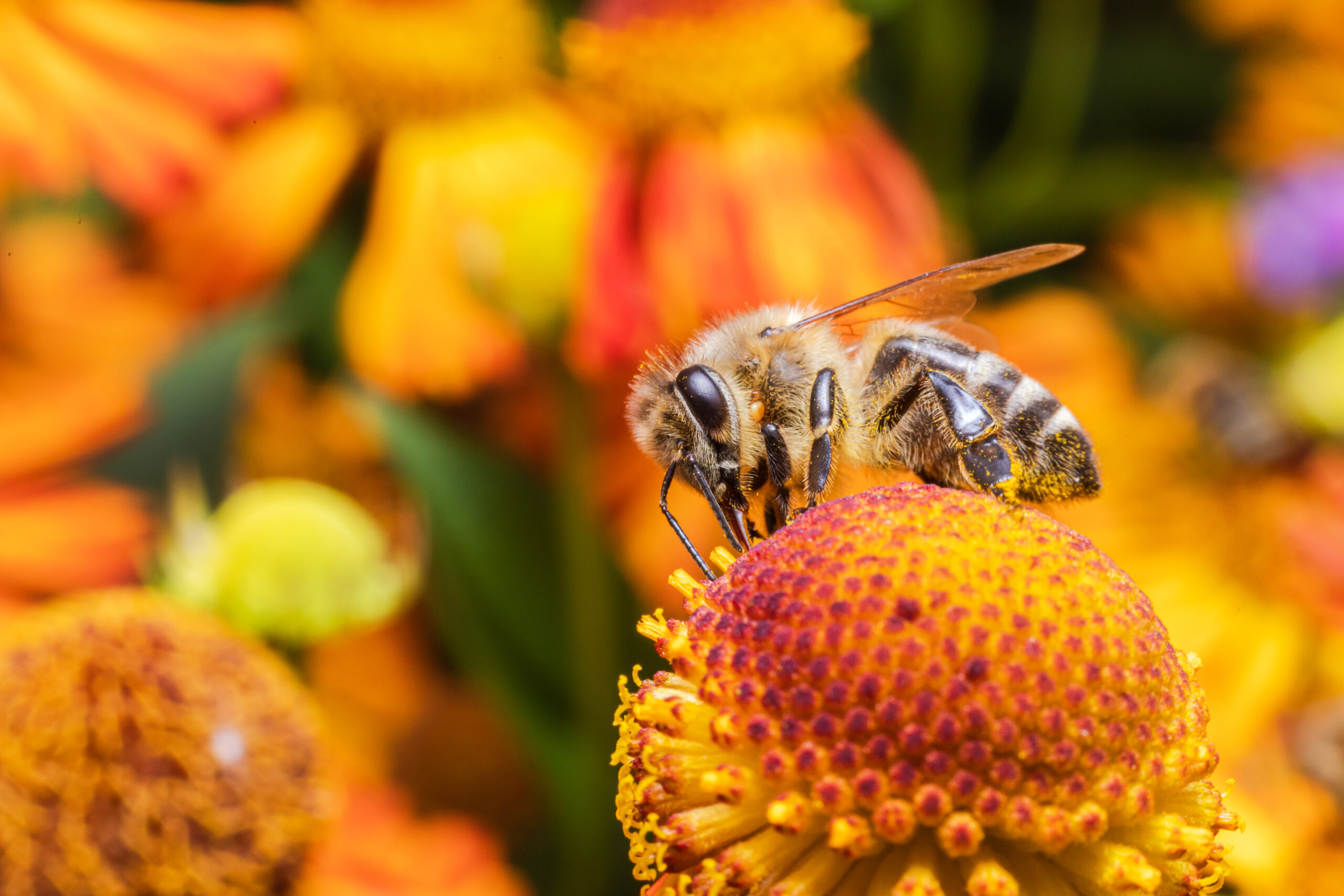
Commercial honey production specifically supports honeybees — one species — while it’s wild and native pollinator species that are actually facing extinction. Farming more honeybees doesn’t fix that problem any more than farming more chickens would help save wild birds. If anything, an overabundance of farmed honeybees can crowd out the native species that need our help the most.
If you genuinely want to support bee populations, the most effective things you can do don’t involve beekeeping at all — planting pollinator-friendly native flowers, avoiding pesticides in your garden, and supporting wild bee conservation efforts all have a far more direct impact.
What About “Ethical” or Small-Scale Beekeeping?
This is genuinely the greyest area in the honey debate, and even within the vegan community, opinions differ. Some beekeepers only harvest surplus honey in spring after the colony has had what it needs through winter, avoid clipping wings, and prioritise the health of the hive over yield.
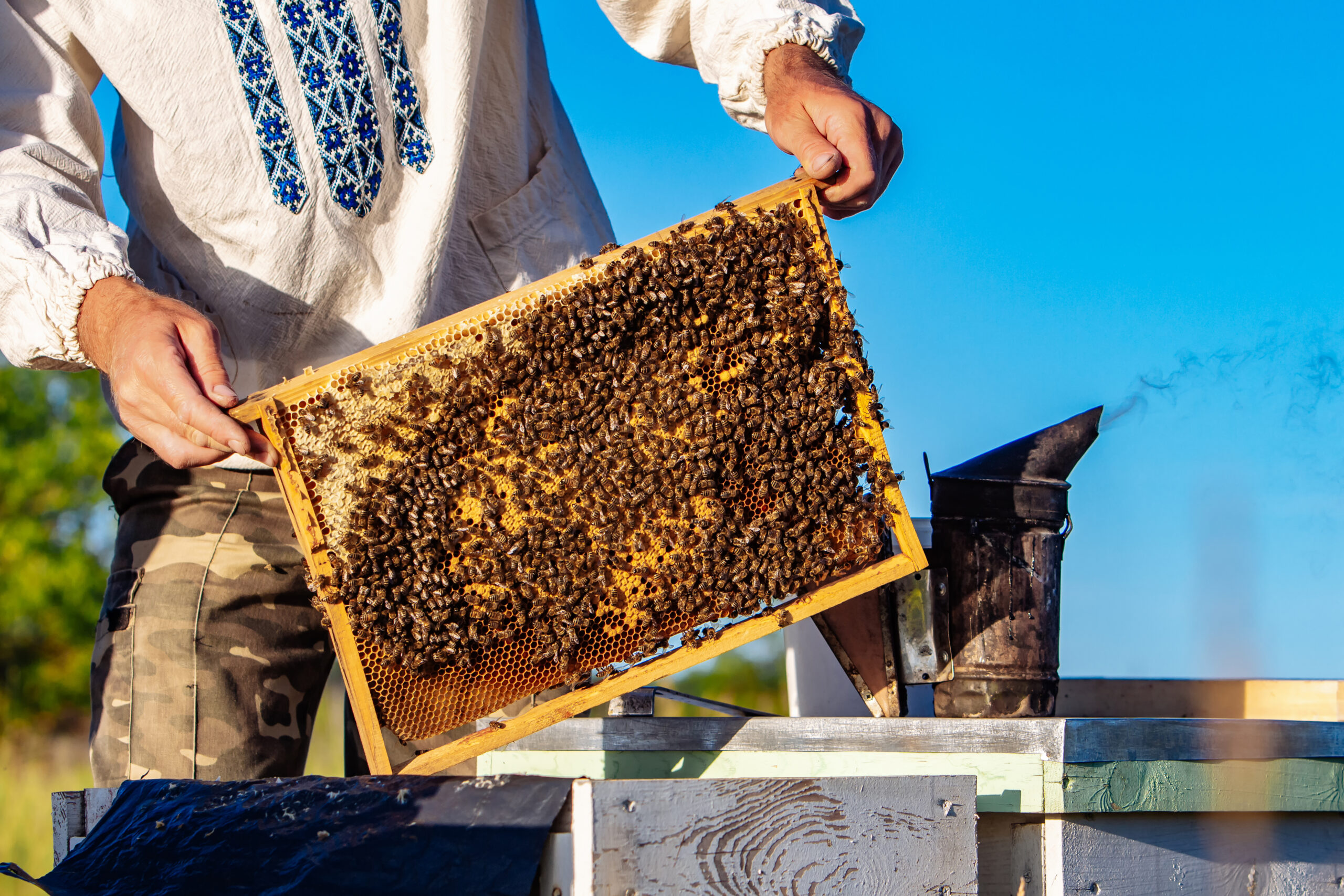
Does that make it vegan? Most vegan organisations would still say no — because veganism isn’t only about minimising harm, it’s about avoiding exploitation where possible. Even gentle, well-intentioned beekeeping still involves taking a bee’s food and labour for human benefit. That said, if you’re not vegan but want to make a more ethical choice around honey, seeking out small-scale, certified organic, or genuinely ethical beekeepers is a meaningfully better option than mass-produced commercial honey.
What About Beeswax and Royal Jelly?
While we’re here — it’s worth mentioning that the same logic extends to other bee products. Beeswax (used in candles, cosmetics, and some food wraps) and royal jelly (marketed as a health supplement) are both bee-made substances taken for human use, and neither is considered vegan for the same reasons as honey.
The Best Vegan Alternatives to Honey
The good news? You genuinely won’t miss it. There are plenty of delicious plant-based options depending on what you’re using honey for:
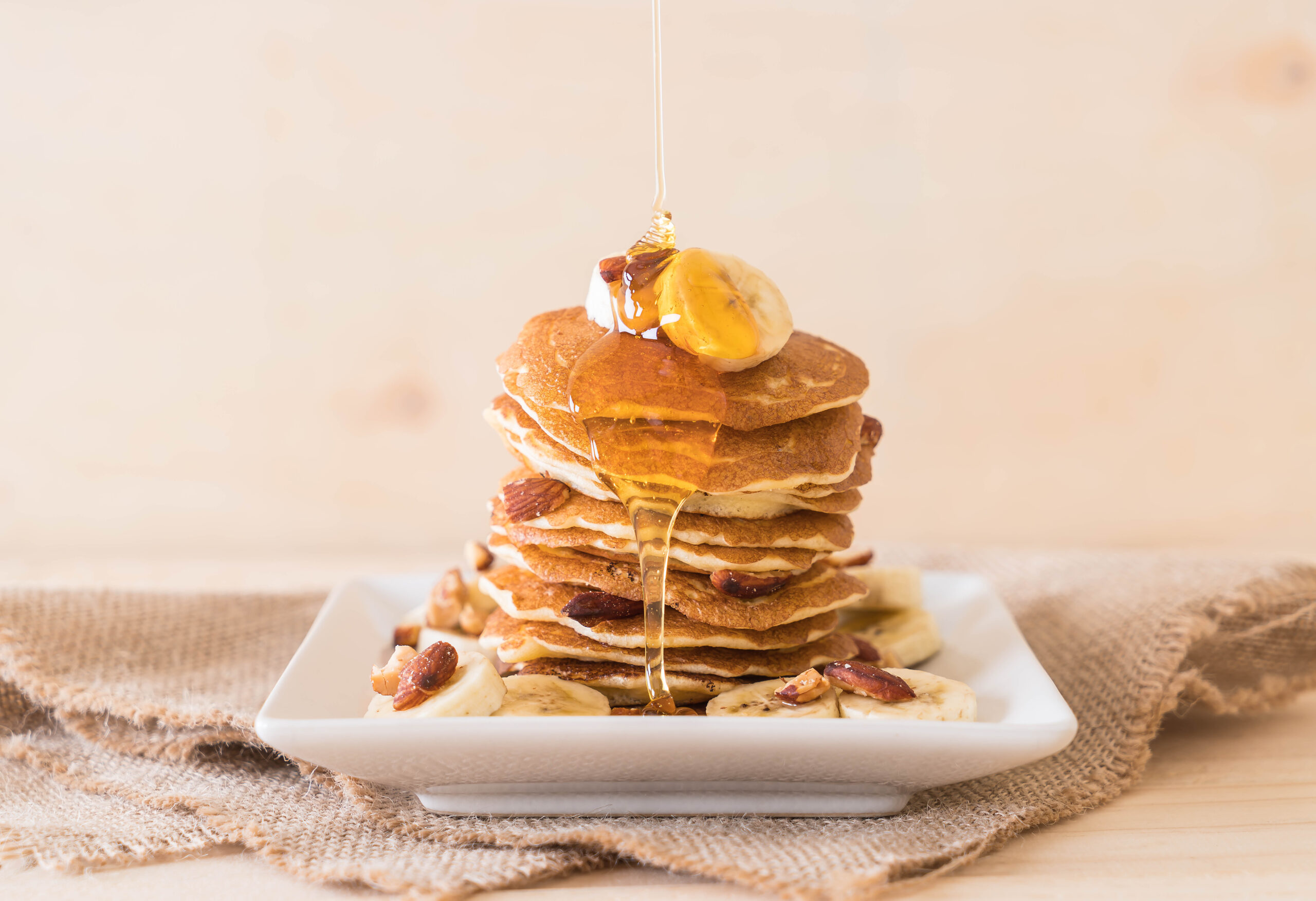
- Maple syrup — rich, warm flavour, great in baking, porridge, and drizzled over pancakes
- Agave nectar — thinner than honey with a similar mild sweetness, great for drinks and sauces
- Date syrup — deep, caramel-like flavour, lovely in baking or stirred through yoghurt
- Rice malt syrup — a more neutral sweetness, useful where you don’t want a strong flavour
- Golden syrup or molasses — classic baking sweeteners with their own distinct character
- Bee-free vegan honey brands — a growing number of brands now make honey alternatives from apples, dates, or coconut nectar that closely mimic the taste and texture of real honey. Worth checking what’s available in your local health food store or online
For most recipes, maple syrup is the easiest one-to-one swap, and it’s what I reach for most often in my own kitchen.
Do All Vegans Skip Honey?
Not necessarily — and this is worth saying, because veganism so often gets painted as a rigid rulebook when really it’s a practice of reducing harm as much as is practicable for each individual. There’s no single rule here, and vegans land in different places on it. Some avoid honey completely, in every form. Others are more relaxed if it shows up unexpectedly in something otherwise vegan — say, a homemade cake from a friend who didn’t realise honey was an issue.
There’s a useful question to come back to in these grey areas: what would actually help the animals most, in this specific moment? Sometimes that means quietly choosing the alternative without turning it into a conversation, especially if someone is just starting to explore plant-based eating themselves. Veganism isn’t about being perfect — it’s about the direction you’re moving in, and the choices you make most of the time. If that mindset resonates with you, I wrote a whole post about it: You Don’t Have to Be a Perfect Vegan (And Why That’s Okay).
Final Thoughts
I get why this one trips people up — honey really doesn’t feel like it belongs in the same category as meat or dairy. But once you understand that it’s still an animal taking its own food and labour, taken without consent, for our benefit, the “is it vegan?” question becomes a lot clearer. And the swap is honestly one of the easiest ones to make — plant-based sweeteners do the job beautifully, with zero compromise on taste.
If labels like this tend to trip you up, you’re not alone — I broke down a few more of these mix-ups in Plant-Based vs Vegan vs Cruelty-Free: What’s the Difference?, if you’d like to keep untangling the terminology.