Last Updated on August 7, 2026 by Tanya
“Plant-based,” “vegan,” and “cruelty-free” get used interchangeably all the time — on packaging, in marketing, even in everyday conversation. But they don’t actually mean the same thing, and brands (intentionally or not) often blur the lines between them.
So if you’ve ever picked up a product labelled “cruelty-free” and assumed that meant vegan, or seen “plant-based” and assumed it meant the same as “vegan” — you’re not alone, and you’re about to feel a lot less confused.
Plant-Based vs Vegan: What’s the Difference?
This is the mix-up I see most often, especially in food.
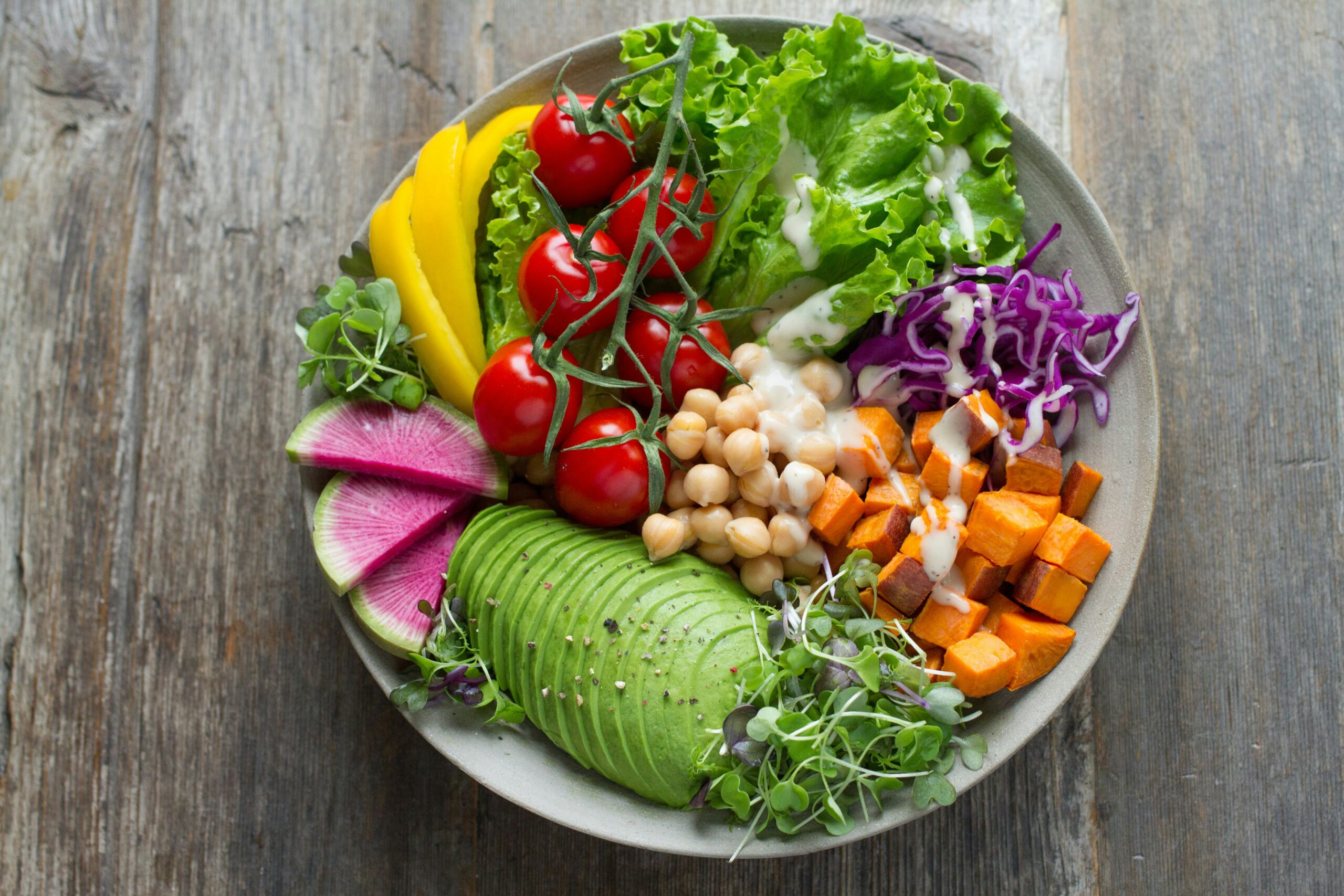
Plant-based describes what a diet or product is primarily made of — foods derived from plants. Technically, “plant-based” doesn’t carry any ethical framework with it at all. It’s a description of ingredients, not a value system.
Vegan is broader and more deliberate. Veganism is a lifestyle that seeks to exclude all forms of animal exploitation and cruelty, as far as is possible and practicable — not just in food, but in clothing, cosmetics, and anywhere else animal products show up. So while a vegan diet is plant-based, veganism itself extends well beyond the plate.
In practice, most “plant-based” foods are also vegan — but it’s not a guarantee, and there are a few notable edge cases worth knowing. Honey is the classic example: it’s collected from flowers, so it can sometimes get lumped into “plant-based” conversations, even though it’s made by bees and isn’t considered vegan. Some plant-based products are also processed using animal-derived substances (like bone char in sugar refining, or non-vegan additives), which a plant-based label won’t necessarily flag.
Interestingly, plenty of everyday foods fall into the vegan category without ever being marketed that way — I rounded up some of my favourite accidentally vegan foods you probably already have in your pantry if you want to see just how easy it can be.
The reverse is also true — something can be 100% vegan without being marketed as “plant-based” at all, like a vegan leather bag or a pair of wool-free socks.
The simplest way to remember it: plant-based = what it’s made of. Vegan = a broader ethical commitment that includes food but isn’t limited to it.
Cruelty-Free vs Vegan: What’s the Difference?
This is the one that catches people out the most, especially in skincare and makeup.
Cruelty-free means a product wasn’t tested on animals during development. That’s it — that’s the whole definition. It says nothing about what’s actually in the product.
Vegan, in this context, means the product contains no animal-derived ingredients at all — no beeswax, no lanolin, no carmine (a red dye made from crushed insects), no collagen, no honey.
Here’s the part that surprises people: a product can be one without being the other.
- A lipstick can be entirely plant and mineral-based — genuinely vegan — but still have been tested on animals at some point in its journey, particularly if it’s sold in markets that historically required animal testing for cosmetics.
- A product can be cruelty-free — never tested on animals — but still contain animal-derived ingredients like beeswax or lanolin. Cruelty-free tells you nothing about the ingredient list.
So when you see a “cruelty-free” label, it’s only answering one question (was this tested on animals?) — not the question most ethically-minded shoppers are actually asking (does this contain animal products?).
Quick Reference: All Three, Side by Side
| Term | What It Tells You | What It Doesn’t Tell You |
|---|---|---|
| Plant-based | Primarily made from plant ingredients | Whether it’s free of all animal products, or how it was tested |
| Vegan | No animal products or by-products at all | Nothing about animal testing specifically (though most vegan brands are also cruelty-free) |
| Cruelty-free | Not tested on animals | Whether it actually contains animal ingredients |
Why This Actually Matters
This isn’t about needing to scrutinise every label you come across — it’s simply nice to understand the difference, so you can make choices that feel right for you. But understanding the difference means you can actually find products that align with your specific values, rather than assuming a label is doing more work than it actually is.
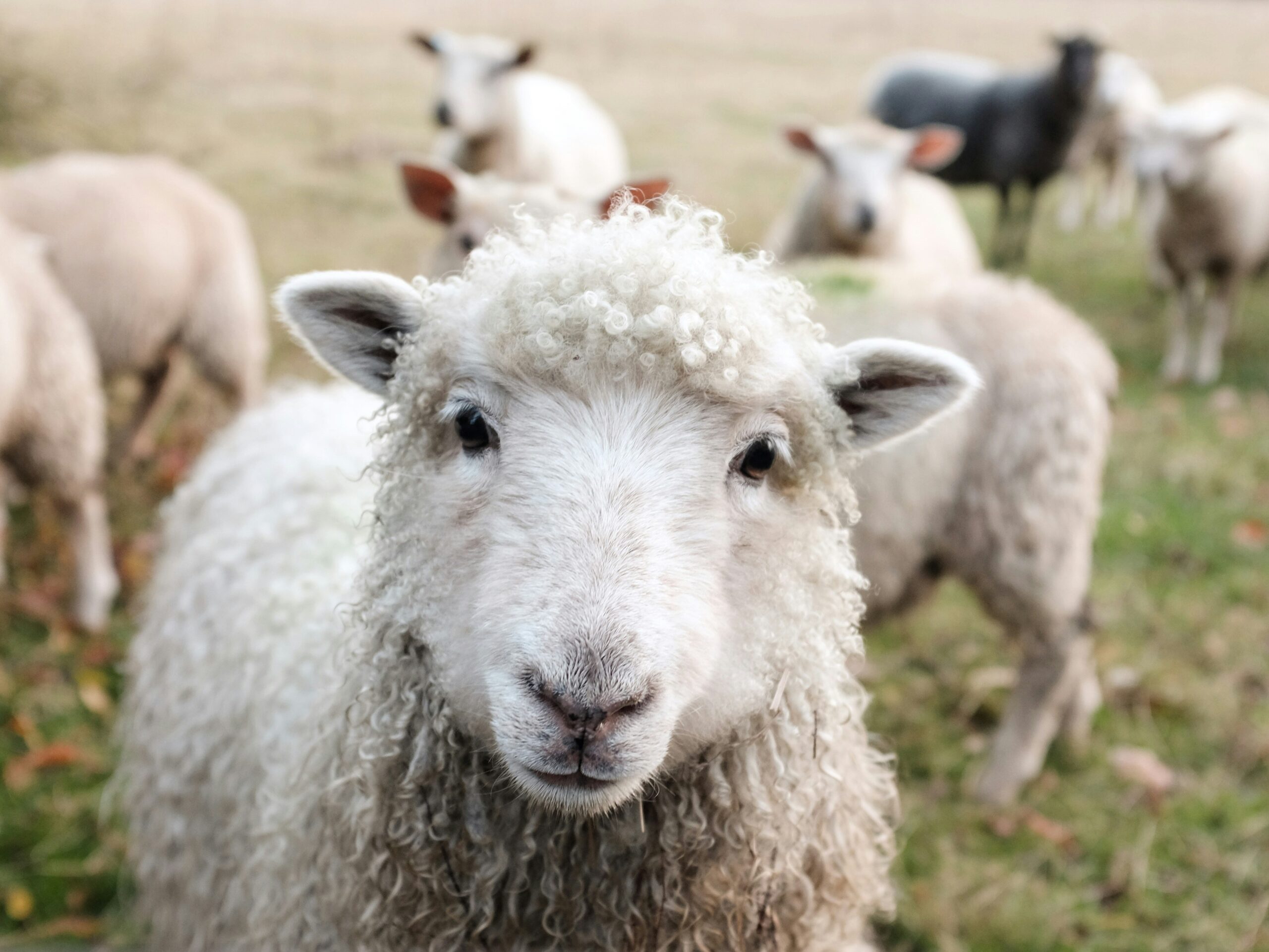
If animal cruelty and exploitation is your main concern (it’s mine), “vegan” is the term to look for — it’s the most complete answer. If you’re vegan and also care about animal testing specifically, look for both labels together, or check for accreditation like Leaping Bunny or PETA’s Cruelty-Free and Vegan logos, which verify both criteria rather than relying on marketing language alone.
And if you’re simply trying to eat more plants for health or environmental reasons without necessarily committing to full veganism — “plant-based” is a perfectly good place to start. Every shift in that direction matters.
Final Thoughts
These terms get thrown around so loosely that it’s no wonder they all start to blur together. But once the distinction clicks, you start reading labels (and brand marketing) very differently — and you stop assuming a feel-good word on the front of a package is telling you the whole story.
It’s a small bit of label literacy that makes a real difference once you know it.