Last Updated on August 7, 2026 by Tanya
Every summer when I used to stand in front of the freezer section in supermarkets, staring at the very few vegan ice cream options, reading ingredient lists, and wondering if any of them will be creamy or if you’re just getting expensive ice!
Since then I have tried a lot of vegan ice cream — some divine, some genuinely disappointing. I lived in the UK for years, travelled around the US, and I’m now based in Australia, so I’ve had the chance to try basically everything available across these three markets. Here’s what I’ve learned.
The Bases (My Honest Take)
If you’re going to pick one brand, pick based on the base. Here’s how I rank them:
Cashew cream — Best. Rich, creamy, genuinely creamy. This is where the magic happens.
Coconut cream — Pretty good. Full-fat mouthfeel, though the coconut note can be pronounced. Great for indulgent moments.
Soya — Ok. Neutral enough, but doesn’t deliver the same richness as cashew or coconut.
Oat — Least favourite. Lighter texture, which is fine if that’s what you’re after, but if you want actual decadence, this isn’t it.
The Short Answer
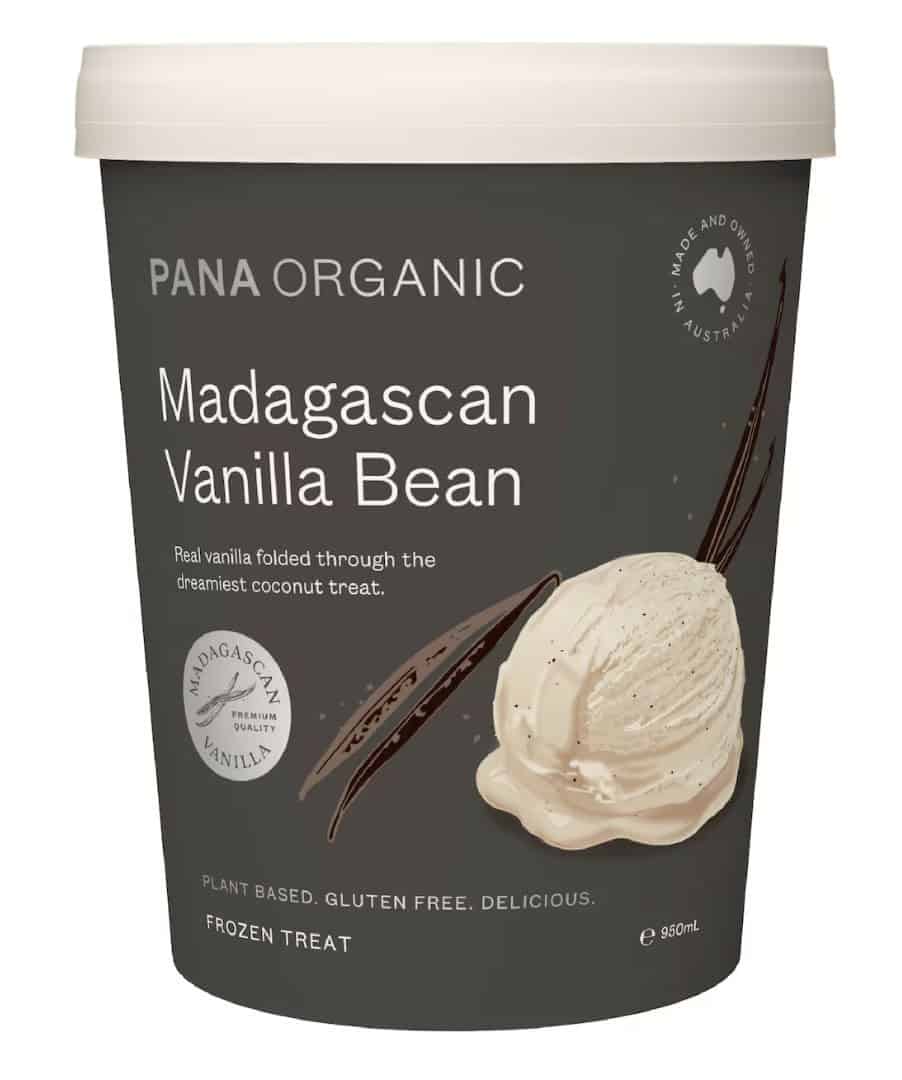
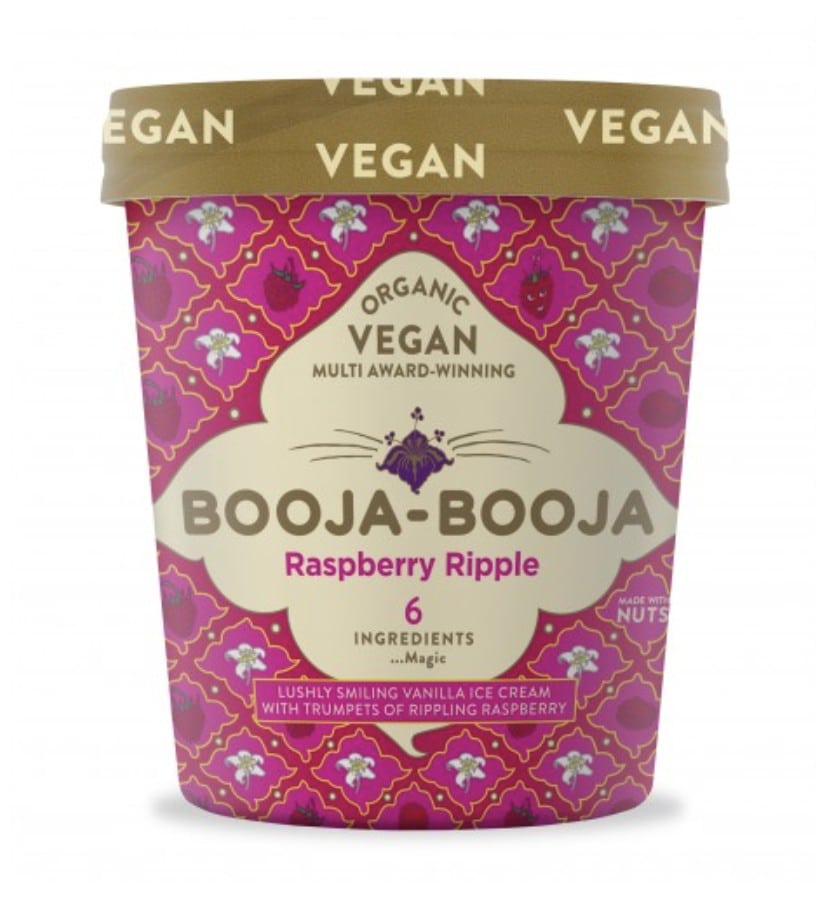
Best overall: Booja Booja (available in UK) or Pana Organic (available in Australia).
Booja Booja is the ice-cream that made me stop looking — if you can access it, it’s the one. My personal favourite is the Raspberry Ripple, the one that convinced me (and my non-vegan husband!) vegan ice cream could be genuinely exceptional. But if you’re in Australia, Pana Organic is genuinely your best bet- specifically the madagascan vanilla bean flavour. It’s easy to find and absolutely deserves the top spot for your market.
Best for most people (if your top pick isn’t available): Ben & Jerry’s Non-Dairy or Oatly Frozen Dessert (depending on whether you want indulgence or lightness)
Best value: Trader Joe’s seasonal options (USA only) or Daiya if you need something right now
Best homemade: The cashew chocolate recipe at the end of this post. Really.
If that’s enough, go forth. If you want to understand why these win, or how to navigate the options yourself, keep reading.
Why Vegan Ice Cream Is Better Now (But Still Has Issues)
A few years ago, “vegan ice cream” meant one of two things: coconut-heavy and icy, or starchy. The category has genuinely improved. Brands like Booja Booja now make good ice cream that happens to be plant-based. Not a consolation prize. Actual ice cream.
The Brands That Actually Matter
I’m going to skip the 28-brand monster table. You don’t need to know about every regional brand or specialty label you can only find online. Here’s what you can actually buy and what works about each.
The Crowd-Pleasers
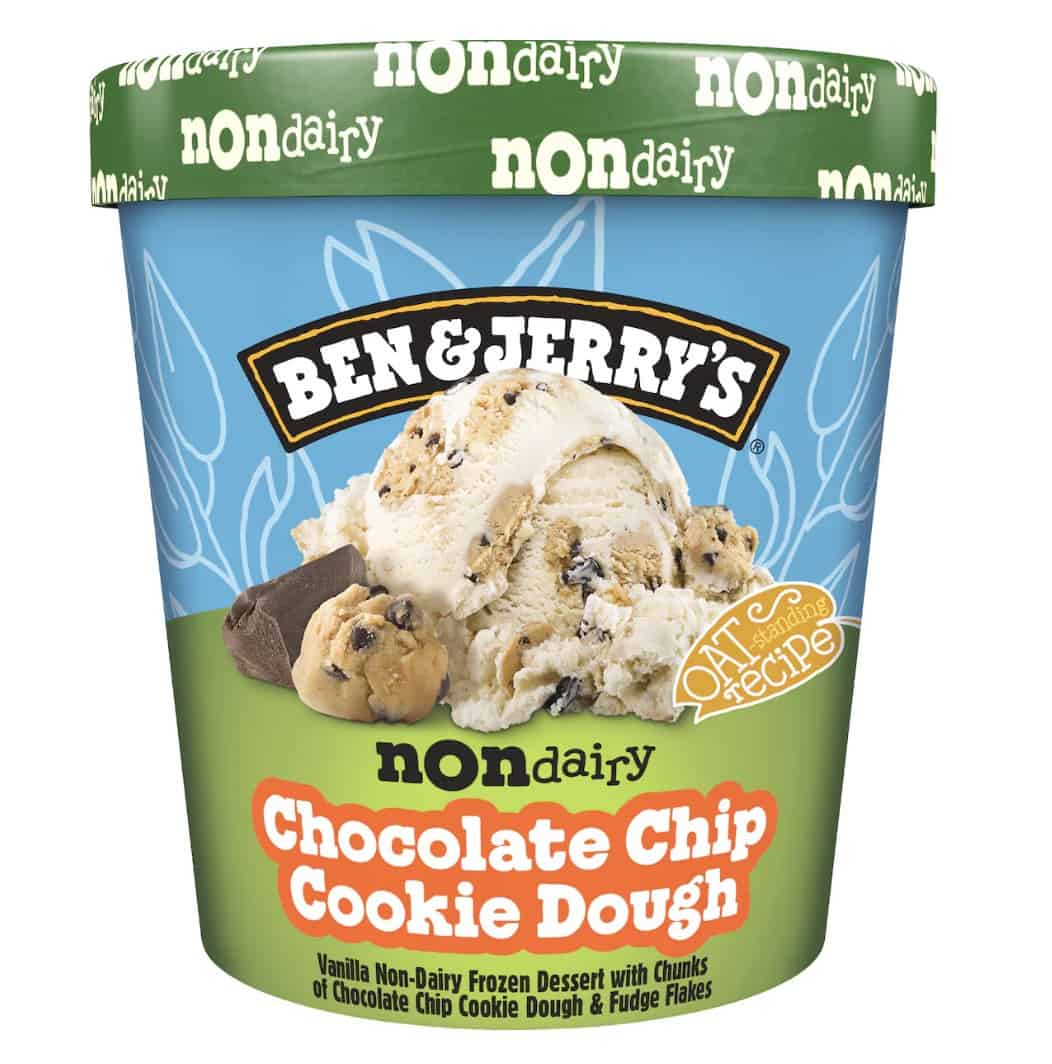
Ben & Jerry’s Non-Dairy ($6–$7) The mix-ins game is incredible here — large chunks of actual chocolate, real fruit pieces, caramel swirls that don’t turn icy. The base is now oat milk (though some almond-based versions still exist). Texture is dense and scoopable straight from the freezer. The downside is a longer ingredient list, but for most people the payoff is worth it.
Best flavors to try: P.B. & Cookies, Chocolate Chip Cookie Dough, Chocolate Fudge Brownie, Coffee Caramel Fudge Where to find it: Literally everywhere. Every grocery chain. Available in: USA, UK, Australia
Oatly Non-Dairy Frozen Dessert ($5–$7) This one’s lighter — more gelato than ice cream, with a neutral oat base that doesn’t fight your other flavors. That sounds like a downgrade until you’re eating it alongside pie or using it in a recipe and it’s perfect for that.
Vanilla tastes like vanilla, not like “vanilla but make it plant milk.”
Best for: Pairing with other desserts, anyone who wants something less heavy Where to find it: Whole Foods, Target, most natural-food grocers Available in: USA, UK, Australia
If You Want to Treat Yourself
Pana Organic ($7–$9) If you’re in Australia, this is your best premium option. Pana uses an organic coconut cream base and keeps the ingredient list genuinely short. The result is smooth, creamy, and unapologetically rich. Flavors are clean and true — vanilla tastes like vanilla, chocolate tastes like chocolate — without all the competitive noise. This is the pick if you want premium quality with a clean conscience about what’s going into your body, and it’s the easiest to find.
Best flavors: Vanilla, Dark Chocolate, Salted Caramel Where to find it: Major supermarkets, health food stores, online Available in: UK, USA, Australia
Booja Booja ($8–$10) This best in my opinion. Booja Booja uses a a base of cashew nut butter to create a texture that’s dense, creamy, and genuinely indulgent. My personal favourite is the Raspberry Ripple — it’s the one that convinced me vegan ice cream could be genuinely exceptional. It’s expensive, but if you can get your hands on it, it’s absolutely worth the hunt. This is ice cream that tastes like someone who actually cares about ice cream made it.
Best flavors to try: Raspberry Ripple (my personal favourite), Salted Caramel Truffle, Dark Chocolate Where to find it: Specialty retailers, online Available in: UK (easiest, widely stocked), Australia (online)
Forager Project ($7–$9) Cashew-based, clean-label, reads like actual ingredients. The Vanilla Bean pint is one of the best vanilla expressions in the entire non-dairy category — rich, round, not thin or overly sweet. This is the pick if you read ingredient lists and actually care about what goes in your body.
Best flavors: Vanilla Bean, Mint Chip Where to find it: Whole Foods, Sprouts, online Available in: USA
Other Solid Options
Nada Moo! ($6–$8, mid): Coconut-cream base, satisfying full-fat mouthfeel. Bold flavors. Available at Whole Foods and Sprouts. Available in: USA
So Delicious ($4–$7, budget–mid): Range of bases (coconut, cashew, Wondermilk) so you can pick your texture. Widely available. Available in: USA, UK
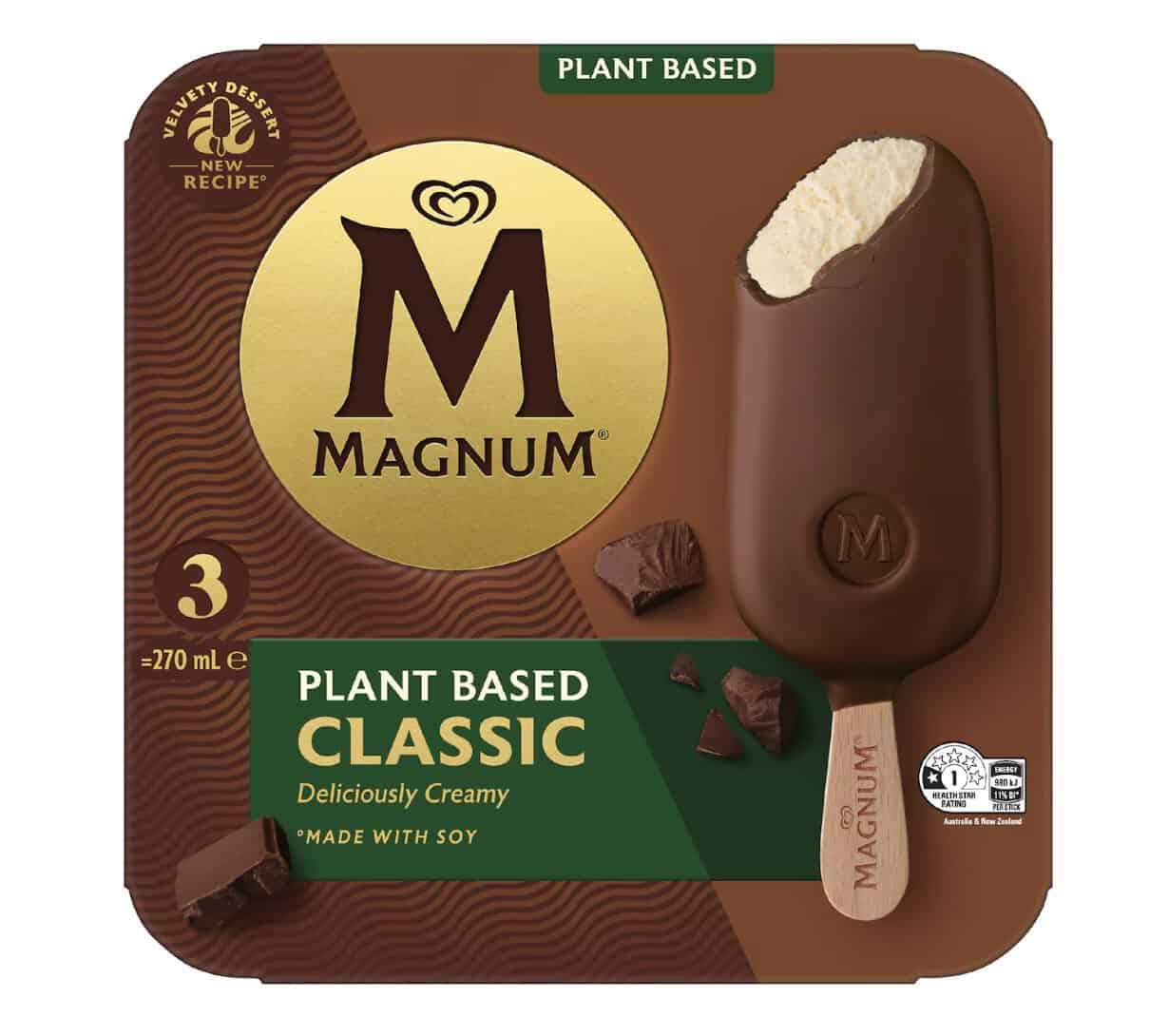
Magnum Non-Dairy ($5–$7, bars): If you prefer bars to ice cream pots, this is the best non-dairy option. The chocolate shell actually cracks. Available in: USA, UK, Australia
Daiya ($4–$5, budget): One of the earliest mass-market vegan brands. Still reliable. Softer texture, simpler flavors, easy grocery-store access. Available in: USA, UK, Australia
The One Thing That Actually Matters: Base Ingredient
If you’re overwhelmed by choice, start here. The base ingredient is the single biggest driver of texture. Once you know which base works for your priorities, you’ve eliminated half your confusion.
Nut bases (cashew, almond) — Richest, creamiest, most dairy-like. Best for eating straight or gifting. Downside: expensive, tree-nut allergies.
Coconut base — Rich full-fat mouthfeel, distinct coconut note. Best for sundaes and indulgent moments. Downside: coconut note is pronounced (good for some, not for others).
Oat base — Lighter, gelato-adjacent, neutral. Best for baking and pairing. Downside: contains gluten (not suitable for celiac), lighter texture.
Soy base — Neutral, less sweet.
Pro tip: If you want the closest possible dairy experience, look for blended bases (coconut cream plus nut milk, for example). That combination is where the magic happens.
Is Vegan Ice Cream Actually Healthier?
Here’s the honest answer: not really, unless you’re specific about what you mean.
The wins: No dietary cholesterol (matters for cardiovascular health). Lower environmental footprint (up to two-thirds less greenhouse gas emissions than conventional dairy).
The reality: Most commercial vegan ice creams are still dessert-level for sugar and saturated fat. That coconut base? Rich and creamy, but coconut oil is high in saturated fat even though it’s plant-derived. You’re not eating a health food here; you’re eating ice cream. A plant-based ice cream, but ice cream nonetheless.
Make Your Own (It’s Easier Than You Think)
Here’s something I didn’t know until I tried it: genuinely creamy vegan ice cream from your kitchen is not that hard. The key is fat, sugar, and a small stabilizer — cornstarch or a ripe banana both work. No ice cream maker required.
No-Churn Cashew Chocolate Ice Cream
This one tastes better than most mid-tier commercial pints. The cashew base is what makes it work.
Ingredients:
- 1½ cups raw cashews (soaked 4 hours, drained)
- 1 cup full-fat coconut cream
- ⅓ cup maple syrup
- 3 tablespoon cocoa powder
- 1 teaspoon vanilla extract
- Pinch of salt
Steps:
- Blend soaked cashews and coconut cream on high until completely smooth — this takes about 2 minutes and shouldn’t have any graininess. This is important.
- Add maple syrup, cocoa powder, vanilla, and salt. Blend for another minute.
- Taste it. Adjust sweetness or cocoa to preference. This is your chance to make it yours.
- Pour into a freezer-safe container and freeze for 2 hours.
- Transfer to a blender and blend again until smooth — this breaks up ice crystals.
- Return to the container and freeze for at least 4 more hours or overnight.
Texture note: Rich and dense, genuinely close to a premium dairy chocolate pint. The whole magic lives in how smooth you get that cashew base in step 1.
The Bottom Line
The single most useful rule: match your base to your priority.
- Nut-based for richness and indulgence
- Oat-based for baking and pairing with other desserts
- Blended bases for the closest dairy experience
- Homemade cashew when you want clean ingredients and control
The vegan ice cream category has genuinely improved. You have real options now. Enjoy trying them all out!
Want more? Browse the vegan recipes and ingredient guides on this site — they translate directly to better homemade ice cream. The vegan substitutes guide covers every common swap. The creamy nut milk guide digs deeper into cashew texture. And if you want a five-minute chocolate dessert that uses the same richness principle, the avocado chocolate mousse is worth bookmarking.