Last Updated on August 7, 2026 by Tanya
I’ll be honest — when I first went vegan, my reasons were mostly about animals. The environment was somewhere in the background, a vague bonus I knew was part of the picture. But the more I’ve looked into it, the more the scale of it has genuinely surprised me. Not in a doom-and-gloom way, but in a “this is actually the most powerful thing I do every single day” way.
So here it is — the honest case for why going vegan right now matters more than it ever has, backed by the numbers.
The Scale of the Problem
Animal agriculture isn’t just one contributor among many to the climate crisis. It’s one of the biggest single drivers of environmental damage on the planet — and it touches almost every major issue at once: greenhouse gas emissions, land use, water, and biodiversity.
Greenhouse Gas Emissions
Livestock production is responsible for around 14.5% of all human-caused greenhouse gas emissions globally — comparable to the entire global transport sector. That’s not just carbon dioxide either. Cattle and other ruminant animals produce methane during digestion — a greenhouse gas that is around 30 times more potent than CO2 over a 100-year period.
And it’s not just the animals themselves. The crops grown to feed them, the land cleared to graze them, and the processing and transportation of animal products all add to the footprint. When you factor in the full picture, some researchers put the true figure even higher.
Land Use
This is where the numbers become almost hard to believe. Livestock farming occupies about 77% of global agricultural land, yet provides only 18% of the world’s calories. That’s a staggering imbalance — the vast majority of the land we use for food is feeding animals, not people.
The conversion of forests to agricultural land is a major driver of deforestation globally, with around 80% of Amazon clearing linked to cattle. Forests are cleared not just for grazing, but to grow the soy and corn that feeds factory-farmed animals. The biodiversity loss that follows is devastating and, in many cases, irreversible.
Biodiversity Loss
Animal agriculture is widely considered the leading driver of global biodiversity loss — and it’s easy to see why when you look at the land use numbers. As forests, wetlands, and natural habitats are cleared and converted to farmland, the species that depend on them disappear. We’re not just talking about iconic animals like orangutans or jaguars — the destruction of ecosystems removes the insects, plants, fungi, and microorganisms that entire food chains depend on. Scientists estimate we are currently experiencing one of the fastest mass extinction events in Earth’s history, and agriculture — driven largely by the demand for meat and dairy — is at the centre of it.
Water
Producing animal-based foods typically requires vastly more water than plant-based alternatives — for instance, 5,605 litres of water are required to produce just 1 kg of cheese. When you scale that up across the global food system, the numbers are enormous.
Each day, a person following a vegan diet saves approximately 4,164 litres of water, 18 kg of grain, 3 square metres of forested land, and around 9 kg of CO2 — equivalent to one animal life. Over the course of a year, that adds up to roughly 1.5 tonnes of CO2 saved per person.
What About Animal Welfare?
The environmental case is compelling on its own — but for me personally, it’s impossible to talk about animal agriculture without also acknowledging what happens inside it. The scale of suffering involved in factory farming is something I’ve written about in this post — and the environment and the animals aren’t separate issues. They’re the same system.
So What Can We Actually Do?
Here’s where I want to shift gears — because I’m not here to make anyone feel hopeless. The reason I find these numbers so powerful is that they point to something genuinely within our control.
Researchers and environmental scientists increasingly agree that going vegan is the single most impactful thing an individual can do to reduce their environmental footprint — more than switching to an electric car, more than cutting flights, more than any other lifestyle change. That’s not a headline designed to shock; it’s just where the evidence points.
Research has found that each substitution of a plant-based alternative — whether replacing meat with fish, then with legumes, then cutting dairy and eggs, and finally adopting a fully vegan diet — resulted in a meaningful reduction in environmental footprint. “You don’t need to go fully vegan to make a difference,” as one researcher put it. “Even small steps toward a more plant-based diet reduce emissions and save resources.”
That matters. Because the point isn’t perfection — it’s direction. If that mindset resonates with you, I wrote a whole post about it: You Don’t Have to Be a Perfect Vegan (And Why That’s Okay).
Start where you are. If you’re already vegetarian, you’ve made a meaningful difference — but cutting dairy and eggs takes it further than most people realise (dairy’s footprint is often underestimated). If you’re not vegan yet, even one or two plant-based days a week shifts the needle.
Use your voice. Individual choices matter, but so does talking about them. Every conversation about plant-based eating — whether it’s sharing a recipe, recommending a restaurant, or writing a blog post — nudges the culture a little further along.
Think beyond food. Food is the biggest lever, but animal agriculture extends into fashion (leather, wool, down, silk), cosmetics (animal testing, animal-derived ingredients), and household products. Vegan diets have the smallest environmental footprint across greenhouse gas emissions, land use, and water use — but a truly vegan lifestyle, extended across clothing and consumer choices, compounds that impact further.
Trust the momentum. The plant-based food industry, the vegan fashion space, the alternative materials world — all of it is growing faster than at any point in history. New brands, new materials, and new options are emerging all the time. The infrastructure for living a fully vegan life is better now than it’s ever been, and it’s only improving.
A Final Thought
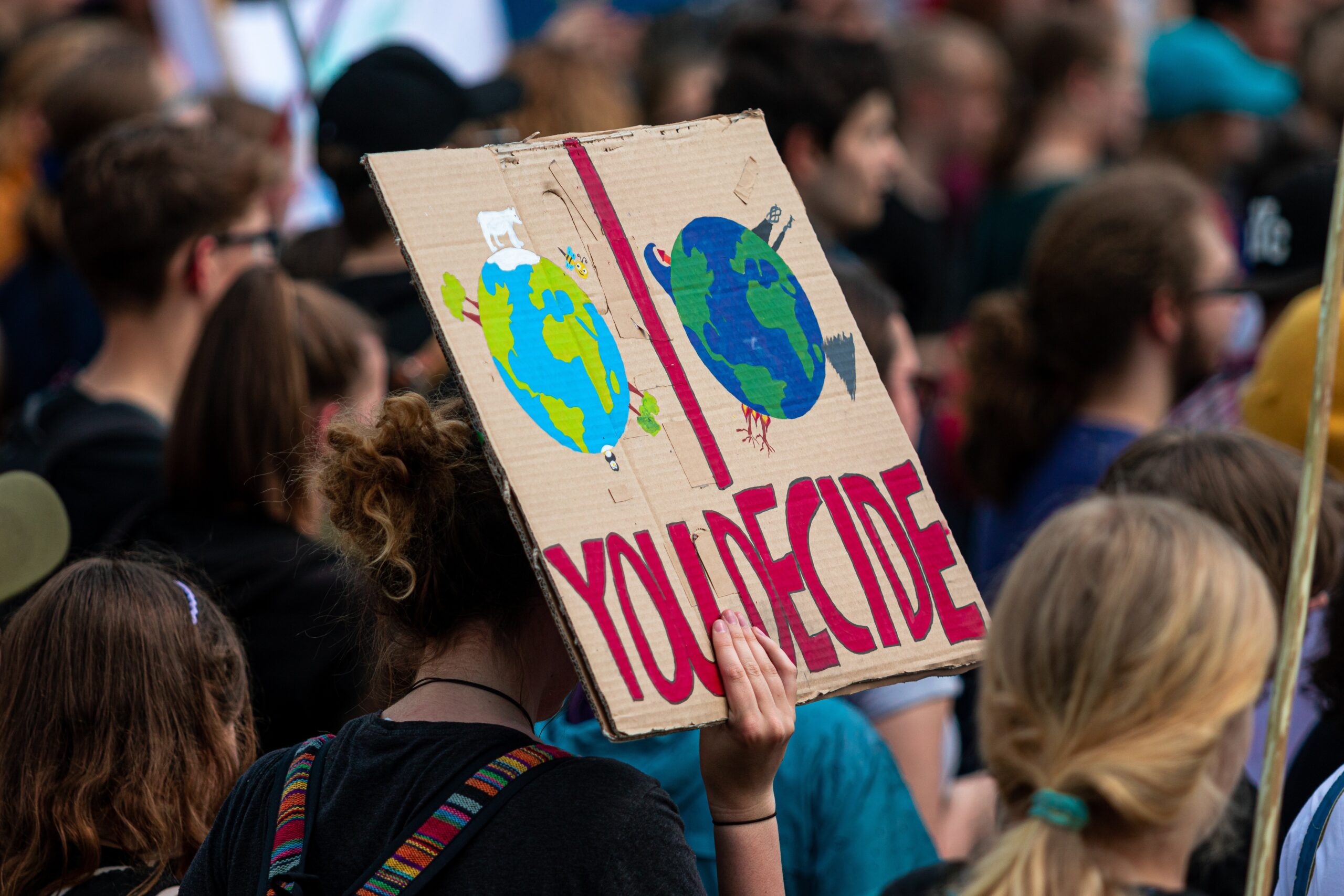
The data shows that our choices matter — not just in the abstract, but in measurable, meaningful ways. Reducing emissions, saving water, protecting ecosystems — these are all part of one intertwined system. Every movement begins with small ripples, and those ripples are turning into waves.
Going vegan — even imperfectly, even gradually — is one of the most tangible things any of us can do in the face of a problem that can otherwise feel overwhelming. That’s why I think now, more than ever, it matters. 🌱🌱