I didn’t go vegan all at once. My journey actually started much earlier — when I was 14 years old. I was a huge animal lover for as long as I can remember, but it wasn’t until my early teenage years that I really connected the dots between my love for animals and what I was eating. Once that clicked in my mind, I found myself unable to eat meat after that.
It just felt like the right thing to do, even at that age. There was a quiet discomfort I couldn’t ignore, and vegetarianism felt like the best response to it.
This was in 1994, and as anyone who adopted a vegan or vegetarian diet around that time would know, this was long before plant-based food was mainstream. Being meat-free wasn’t trendy or convenient — it usually meant buying whatever ‘Linda McCartney’ options you could find at the shop (Thank you Linda!).
For years, I thought vegetarianism was the most ethical option. I wasn’t eating animals — so I felt like I wasn’t contributing to their suffering. Dairy and eggs seemed harmless enough. They were everywhere, normalised, and never really questioned.
What Changed: Learning About the Dairy and Egg Industry
In my early 30s I came across a video called ‘Dairy Is Scary‘ on YouTube. This video, along with others about the dairy and egg industries, made it clear to me that these industries also cause a lot of animal suffering, something I was unaware of.
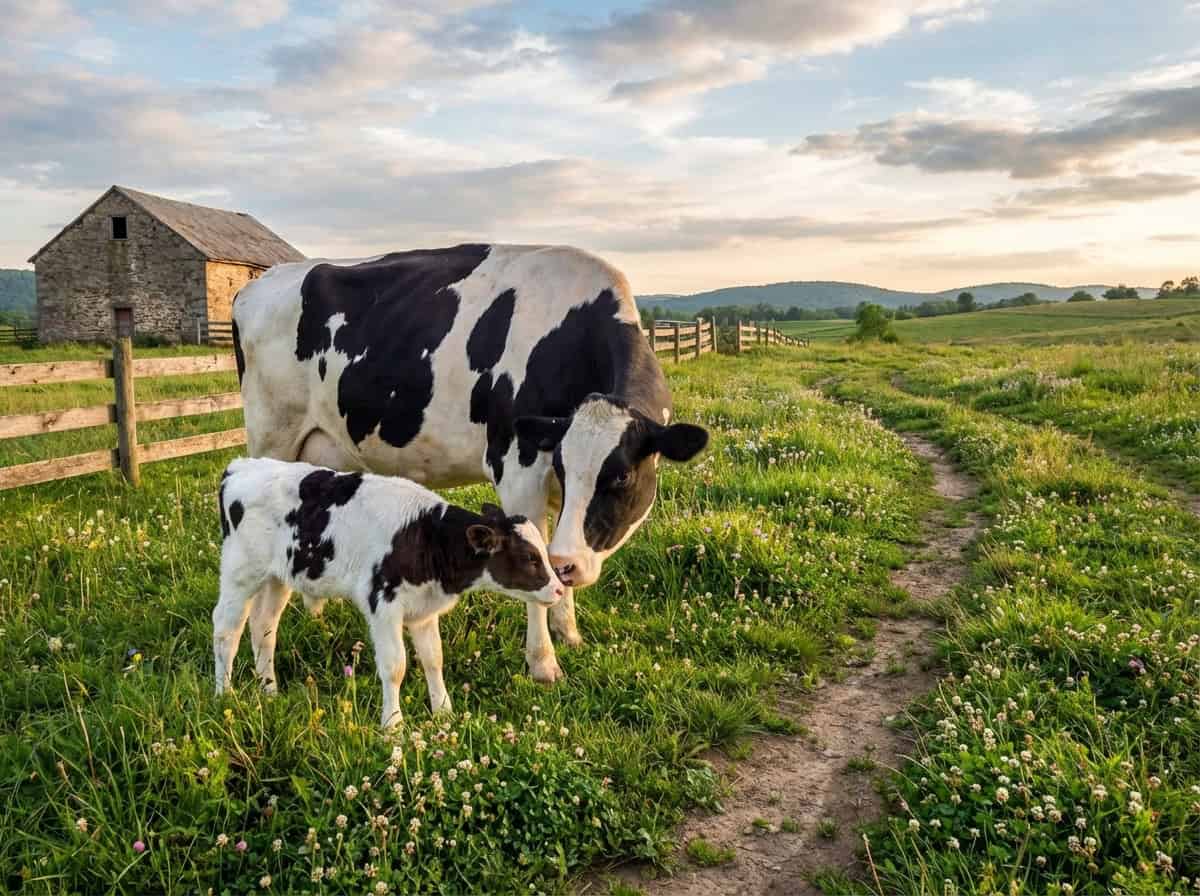
One of the parts that affected me the most was learning about the lives of mother cows in the dairy industry. Cows don’t produce milk unless they’ve given birth, so they’re repeatedly impregnated — and then their babies are taken away, often within hours or days. Watching footage and reading about this, what stayed with me wasn’t statistics, but the behaviour: mothers calling out for their calves, searching for them, clearly distressed, often chasing after farmers attempting to protect their offspring.
It’s hard to ignore the fact that cows form strong bonds with their babies, just like any mammal does. Realising that this separation is routine practice in most dairy-producing countries including the U.K., Australia, Canada and the U.S.A., made it impossible for me to keep viewing the dairy industry as harmless.
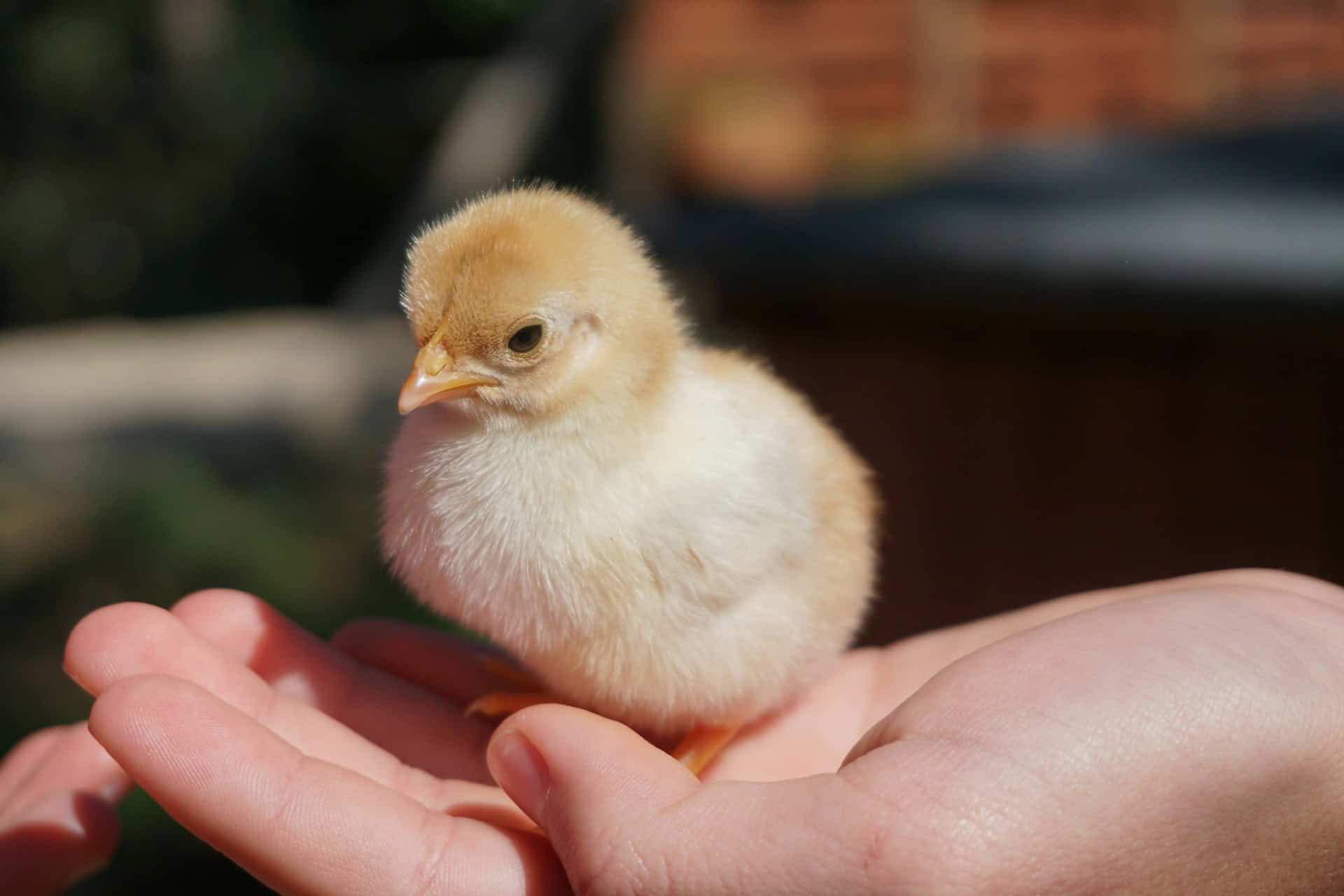
Another hard thing for me to learn about was what happens to male chicks in the egg industry. They don’t lay eggs and therefore aren’t considered profitable, so they are seen as a by-product of egg production. As a result, these sweet, fluffy little chicks are killed shortly after hatching, simply for being born the “wrong” sex. This isn’t an exception or a rare practice — it’s standard across the industry in most countries.
The most common methods are gassing or maceration, where chicks are killed almost immediately after they’re identified as male. Even writing that feels heavy, but unfortunately, this is reality, and on an enormous scale. In just the U.K., it’s estimated that around 40–45 million male chicks are killed annually within just hours of being born. This is a staggering statistic — one that’s hard to truly grasp until you stop and sit with it.
Once I understood that eggs come with this hidden cost, it became hard to keep seeing them as a harmless choice. Knowing that millions of animals worldwide are discarded this way, just to sustain egg production, didn’t sit right with me anymore.Once I really understood this, vegetarianism alone stopped feeling aligned with my values.
The Question I Couldn’t Ignore
If I don’t need dairy or eggs to live well, why would I continue supporting harm?
At that point, it wasn’t about taste or convenience anymore — it was about honesty. Once that question settled in, the decision to go vegan felt like the natural next step, not some extreme leap. I was living in Egypt at the time, which actually helped a lot. Egyptian cuisine has so many naturally vegan options such as ‘Koshari‘, ‘Ful Madames’ (fava beans), and ‘Taamaya’, (the Egyptian version of falafel), which made the shift feel surprisingly easy.
What I Wish I Had Known Sooner
1. Dairy and Eggs Aren’t the “Kinder” Option
I genuinely believed for years that dairy and eggs were harmless. Most of us do — because we’re never shown the full picture. Learning the truth wasn’t easy, but I’m grateful I finally let myself see it. Not from a place of guilt, but from a place of wanting my choices to actually reflect my values.
2. You Don’t Have to Be “All or Nothing” to Start
I thought going vegan had to be a dramatic, overnight switch. Looking back, I wish I’d known that it’s okay to take steps, ask questions, and evolve over time. Awareness often comes before change — and that’s still progress.
3. Living in Alignment Feels Lighter
I didn’t expect the sense of relief that came with going vegan. I wish I’d known sooner how much mental energy I was spending justifying choices that didn’t sit right. Living in alignment brought a calm I didn’t realise I was missing.
4. Habit Is Often the Hardest Part — Not the Ethics
Looking back, the biggest barrier wasn’t disagreement, it was habit. I wish I’d realised sooner that questioning routines can feel harder than questioning beliefs — and that resistance doesn’t always mean disagreement.
5. We don’t need animal products to thrive.
I wish I’d known sooner that living well, feeling nourished, and enjoying food doesn’t require animal products. Once I realised that a full, healthy life was possible without them, it became easier to let them go.
6. Dairy isn’t as healthy nor necessary as we are led to believe
I also wish I’d known sooner that dairy isn’t actually the health food it’s made out to be. For so many people, it causes bloating, inflammation, or digestive issues — things we’re often taught to normalise instead of question. I also found it strange once I really thought about it — humans are the only species that drinks milk beyond infancy, and the only ones that drink the milk of another animal. Seeing it that way made dairy feel a lot less natural to me and easier to give up.
7. There are genuinely great-tasting vegan options now.
I wish I’d known sooner how much plant-based food has evolved. Being vegan today doesn’t mean missing out — there are incredible alternatives and naturally vegan dishes that taste just as good, if not better, than what they replace.
8. Veganism Isn’t About Being Perfect
Veganism isn’t about perfection — it’s about doing the least harm you reasonably can. You don’t need to be flawless. You just need to care enough to try.
The Emotional Side of Going Vegan
Going vegan wasn’t just a practical change — it was emotional too. There was sadness. For animals. For how long I hadn’t known. For how normalised all of it is.
But there was also clarity.
Knowing that my daily choices reflected compassion felt grounding. Veganism made me more aware, more thoughtful, and more connected to my actions.
If You’re Somewhere on This Path Too
If you’re vegetarian and starting to question dairy or eggs — I get it.
If you’re thinking about going vegan but feel unsure — I’ve been there.
If you’re still learning — that’s okay.
You don’t need to change everything overnight.
You don’t need to label yourself.
You don’t need to be perfect.
Just start by being honest with yourself. That’s how my journey unfolded — one realisation at a time.
Final Thoughts
I didn’t go vegan to follow a trend. I’m vegan because I believe animals deserve lives free from exploitation — not just kindness in theory, but consideration in practice.
And what I wish I’d known sooner is this:
Veganism isn’t about giving something up.
It’s about choosing alignment, empathy, and integrity (and lots of yummy food!).